
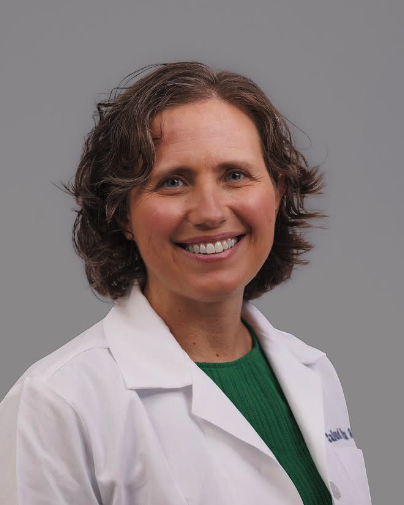
 By Dr. Devon Francis, Chief Medical Officer, Salud Para La Gente
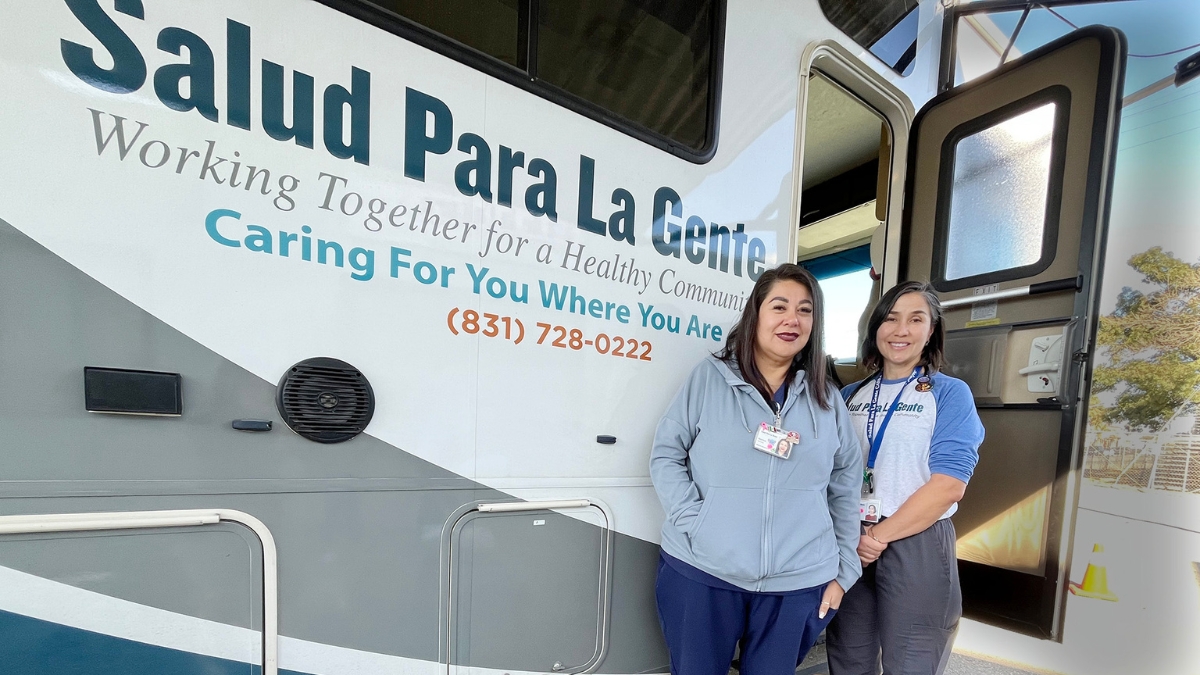
This article is a guest post from Salud Para La Gente, an Alliance-contracted provider and grant funding recipient. Salud Para La Gente is a community health center serving 27,000 patients across 13 sites in Santa Cruz and North Monterey counties, advancing health equity for farmworker families and the community.
Caring for farmworker families on California’s Central Coast has taught me something important: health is not just about what happens in the clinic.
At Salud Para La Gente, we serve more than 27,000 patients. Many of our families speak Spanish or Indigenous languages like Mixteco. Our community is strong, but many parents carry quiet worries.
One question I hear often is: “What will happen to my children if I am not there?”
These fears are real. When a patient presents with anxiety rooted in their family’s immigration status, it is a stark reminder of how policy decisions manifest as tangible health disparities in our youth. This shows us that life outside the clinic can affect a child’s health just as much as medical care.
If we want to provide fair and equitable care, we have to respond to these real-life challenges. We have to support families not just during visits, but in their daily lives. That is why we work closely with our Community Health Services team, who led the way on Child Safety Plans, in partnership with the Pajaro Valley Collaborative.
A Child Safety Plan is a simple tool. It helps parents choose a trusted adult to care for their children in an emergency. It also includes important details, like medical needs and school contacts. Most of all, it gives families peace of mind.
We made time for this work by offering special two-hour visits. This gave families space to think, ask questions and complete their plans. We also opened these visits to the whole community, not just our patients. We offered free notary services so plans could be official. We provided childcare during visits so parents could focus. We also connected families to other helpful resources.
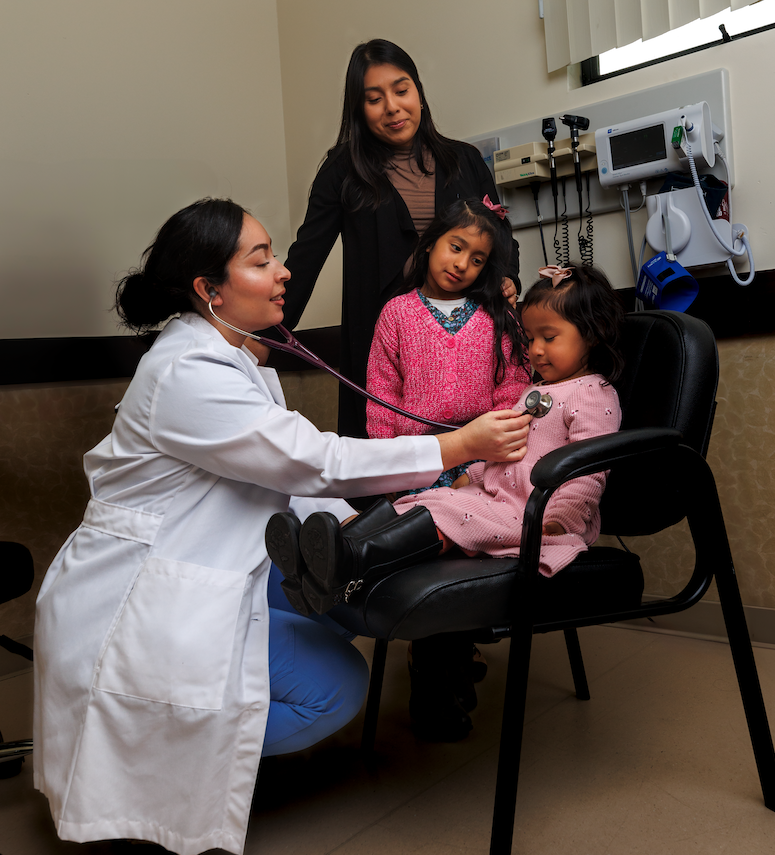
Through these efforts, we helped complete over 1,300 notarized Child Safety Plans. These plans helped protect more than 2,600 children.
Building trust was very important. We chose not to store Child Safety Plans in the medical record. Instead, families kept their own copies and decided who to share them with. This helped families feel safe and in control. While this special initiative is now complete, child safety planning continues to be part of our daily work. We encourage other health care providers to do the same.
At Salud Para La Gente, we see every day that health is shaped by more than medicine. Advancing health equity requires a holistic approach—addressing the social, economic and community conditions that influence well-being. It means delivering care upstream and ensuring families feel safe, supported and cared for beyond our clinic walls.
June is Immigrant Heritage Month—a time to celebrate the many ways that immigrants give to and share in our communities.
Thank you, Salud Para La Gente, for the work you do to provide quality, accessible health care and support local immigrant families!